A map of diversity
Heritage and places
A route through the places of worship of several religions within a single country — from the fire of the fire worshippers to the synagogues of Quba.
A map of diversity
A route through the places of worship of several religions within a single country — from the fire of the fire worshippers to the synagogues of Quba.
Heritage
Specific sites that together form a "map" of Azerbaijan's religious and ethnic diversity. They can be travelled as a single route — from pre-Islamic fire to active synagogues.
I · Heritage
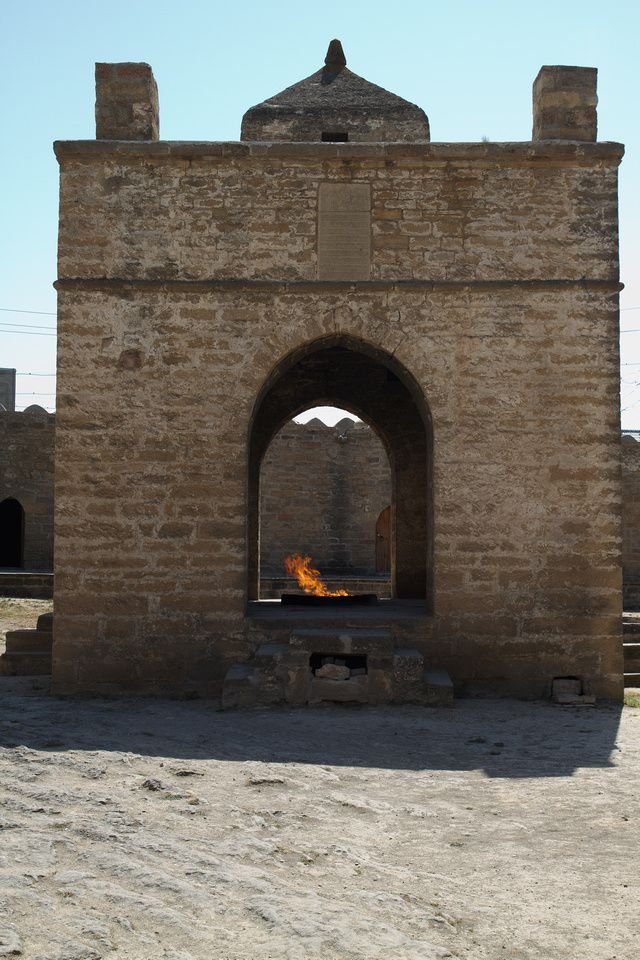
The settlement of Surakhani near Baku. A temple-and-caravanserai complex of the 17th–18th centuries around a natural outlet of burning gas; linked to the Zoroastrian and Hindu traditions of fire worship. Today it is a museum-reserve.
II · Heritage
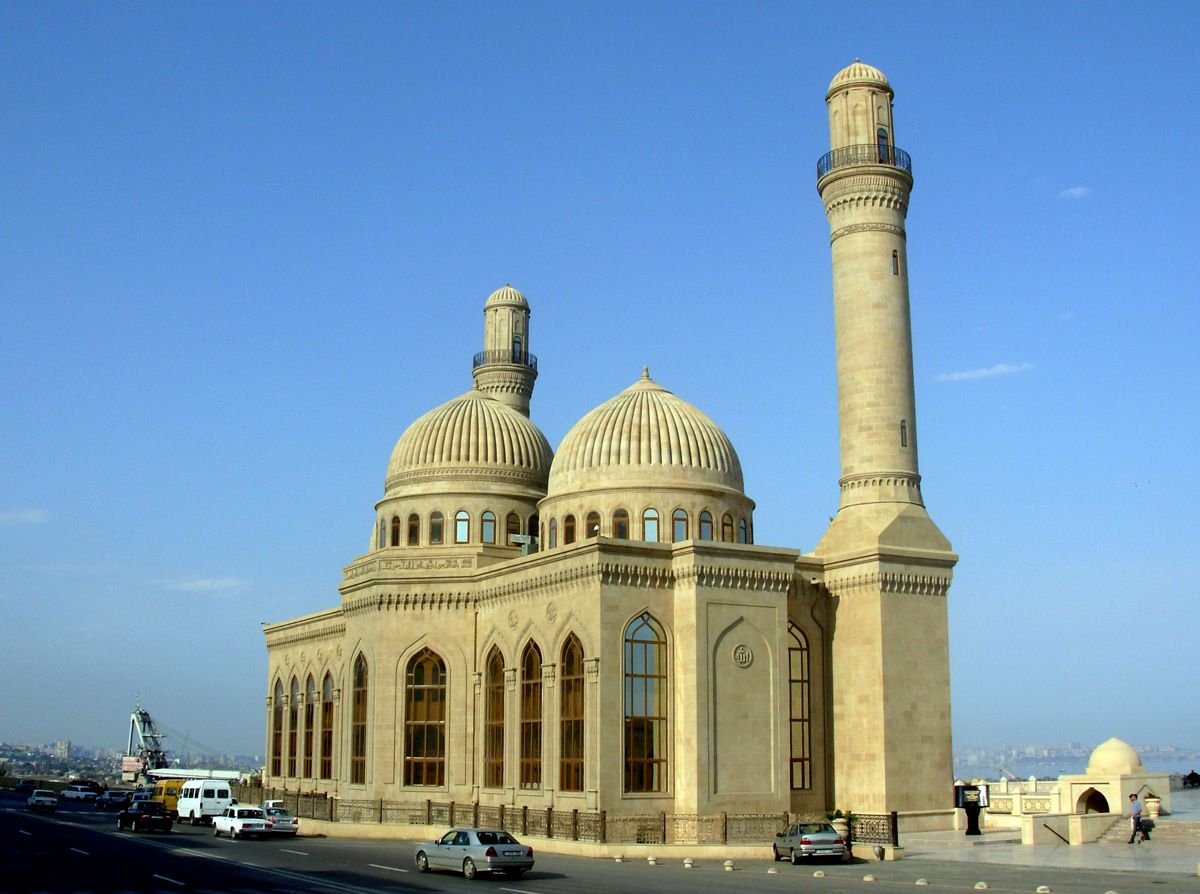
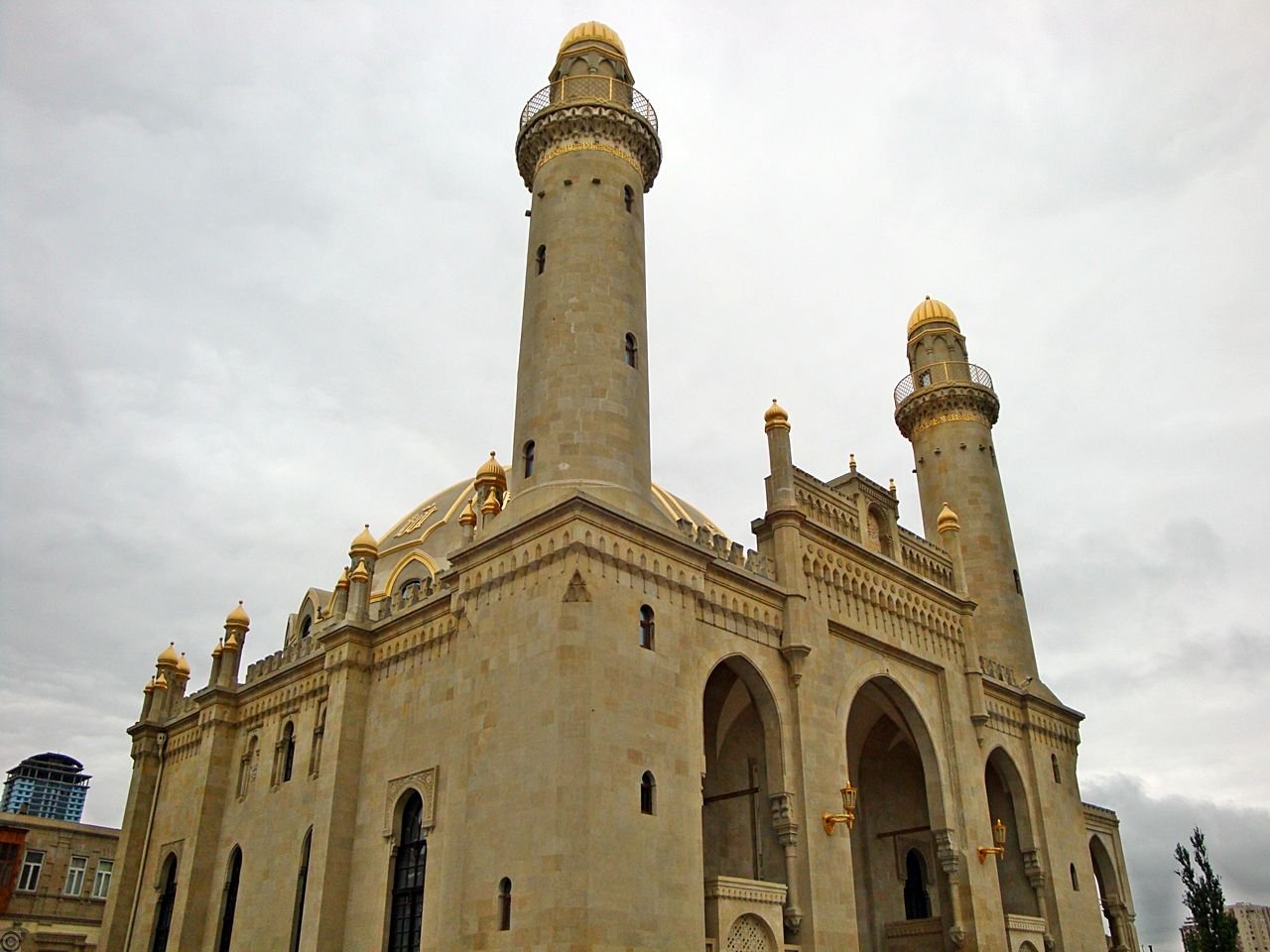
Tezepir (early 20th century) is the main active mosque of Baku. Bibi-Heybat, on the shore of the Caspian, is a recreated Shia complex (the original, from the 13th century, was destroyed in the Soviet era).
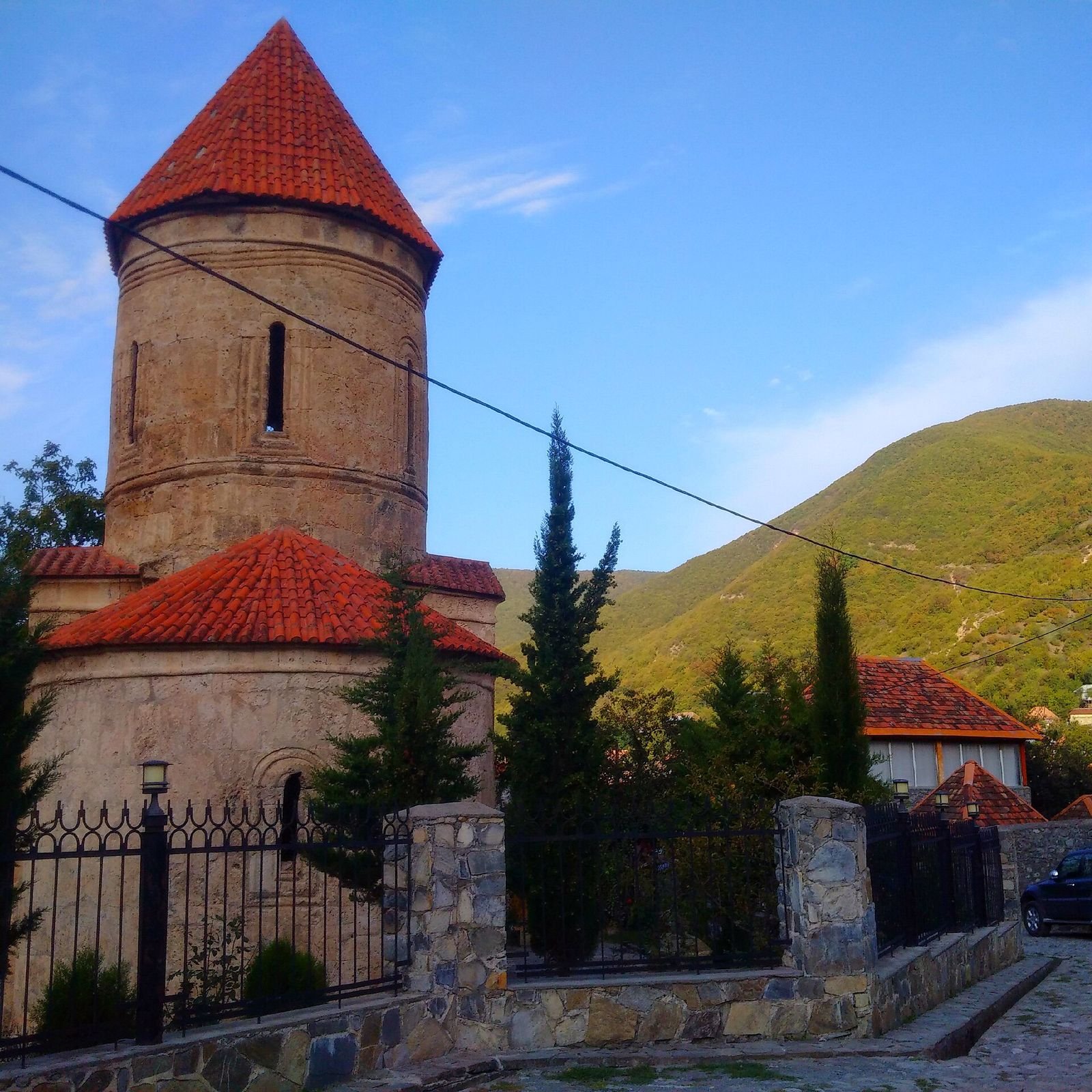
III · Heritage
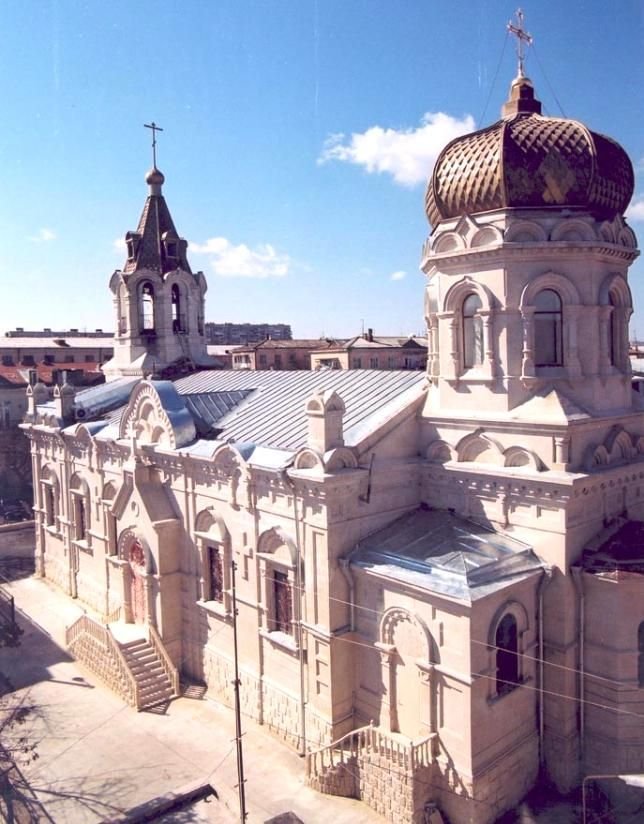
The Cathedral of the Holy Myrrhbearers in Baku. The Udi church in the village of Nij and the ancient Albanian church in the village of Kish near Shaki are among the oldest Christian churches in the Caucasus.
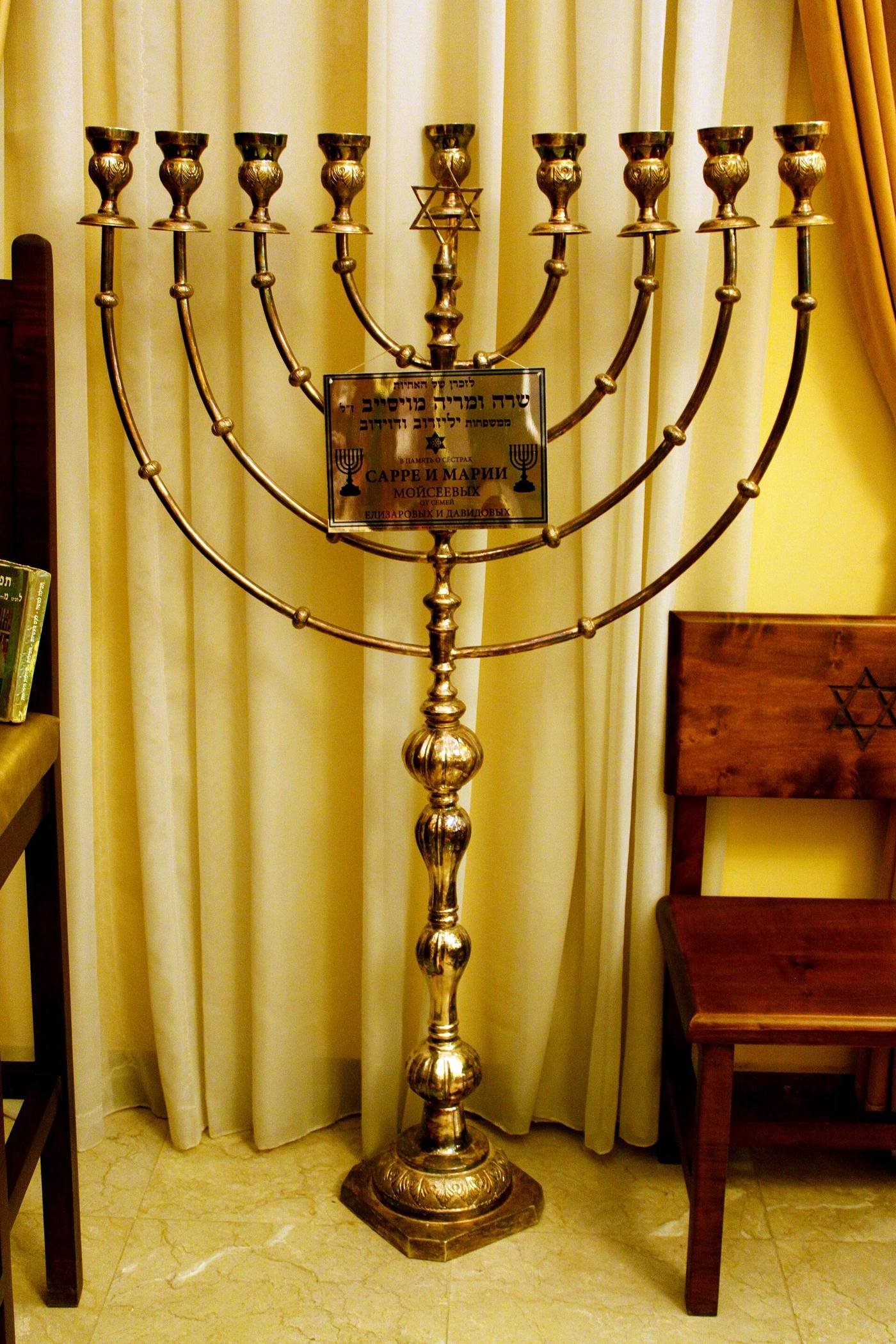
IV · Heritage
The synagogues of Krasnaya Sloboda and Baku. The caravanserais of Baku's Old City (UNESCO) — a memory of trade ties with Central Asia and India. The Molokan villages preserve the memory of the Russian diaspora.
Heritage
The dating and history of individual monuments differ across sources; the common versions are given here.