A special project created with the support of the Jewish news portal · We sincerely love Azerbaijan — our Homeland, its people, culture, history and unique diversity.
Multiculturalism
RUAZENHE

A crossroads of peoples and faiths

Multiculturalism in Azerbaijan

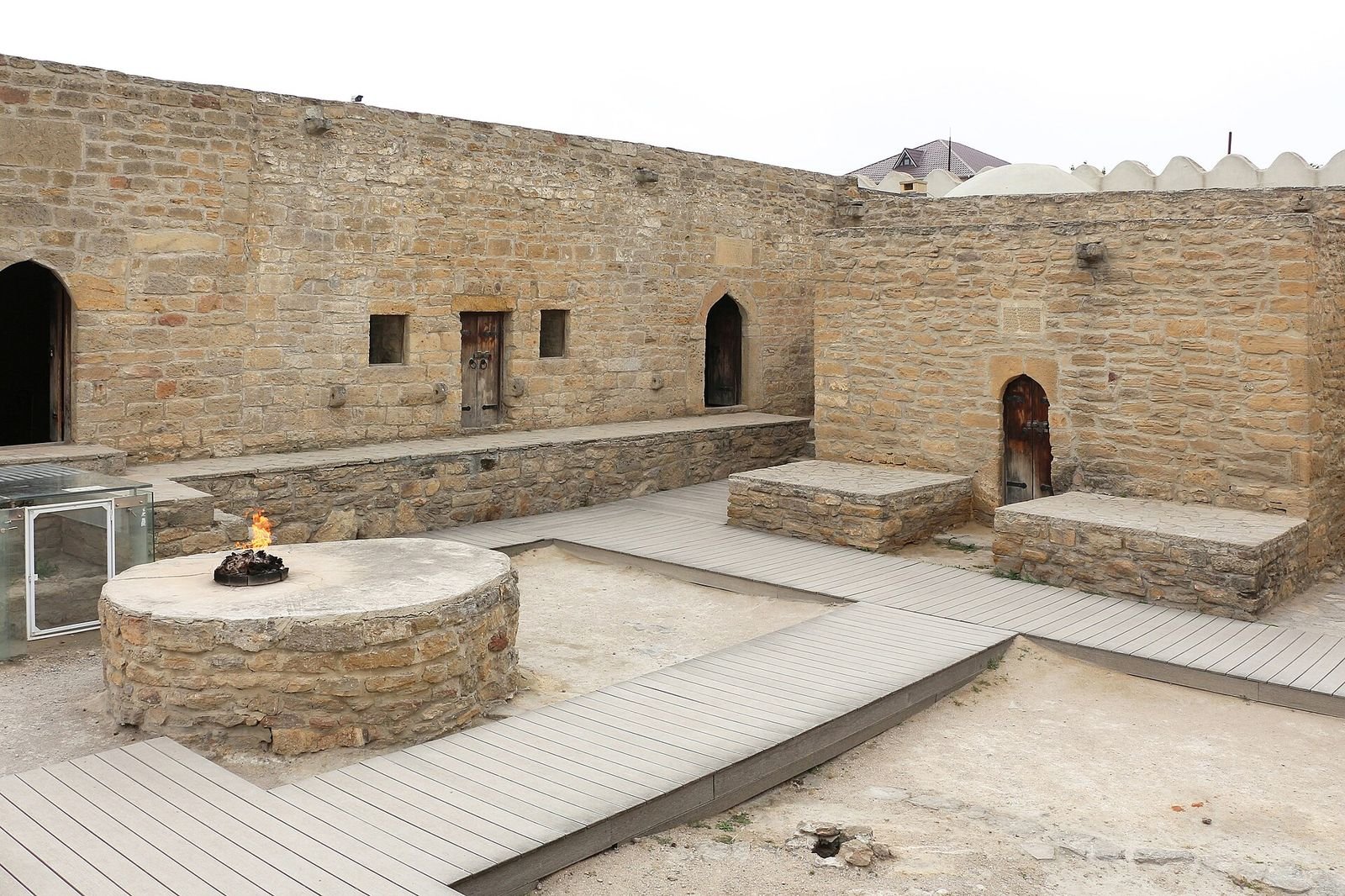
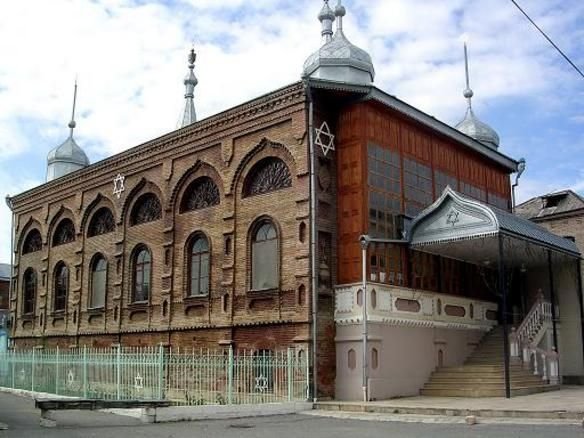
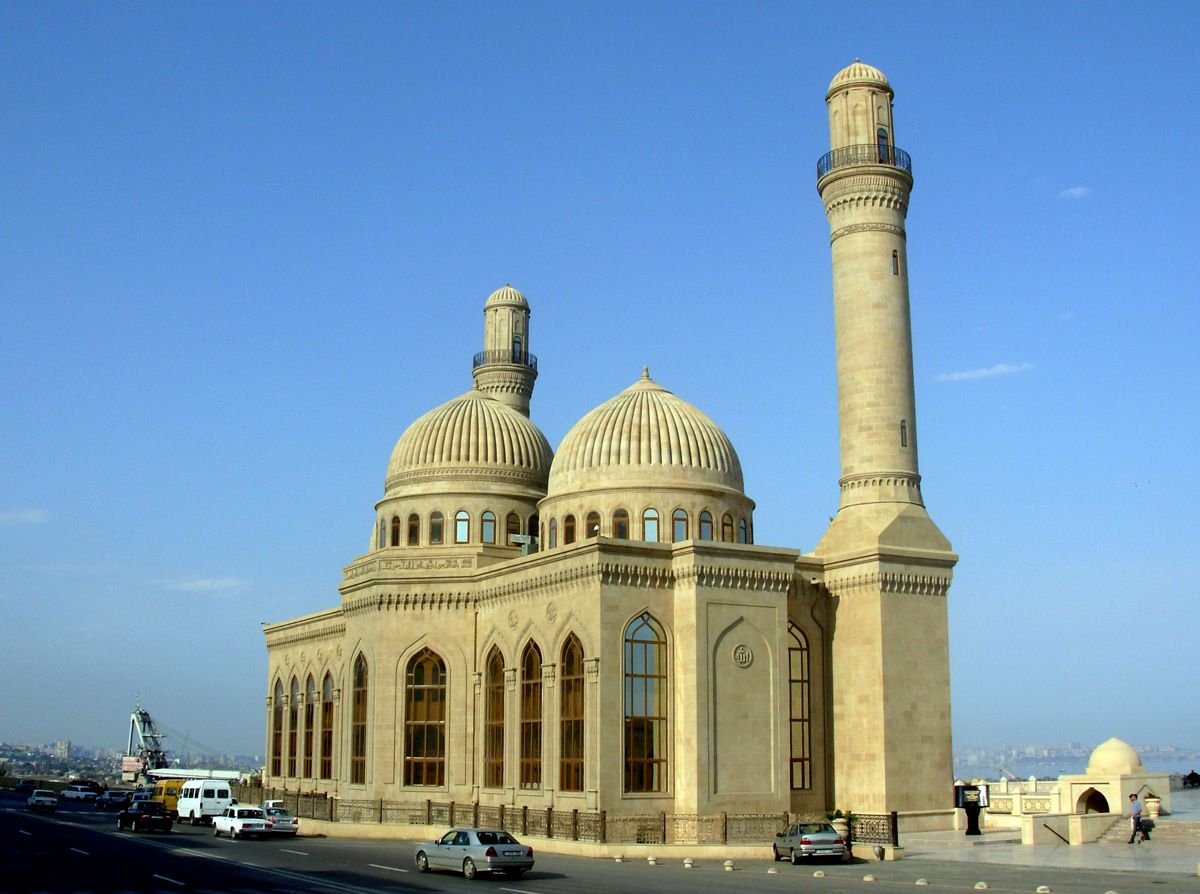
At the junction of Europe and Asia, dozens of peoples and several religions have lived side by side for centuries. A mosque, a church and a synagogue — in one city, on one land.

SCROLL
dozensof peoples and ethnic groups
4+religious traditions side by side
2014Multiculturalism Centre
2016Year of Multiculturalism

What this is

Diversity as a way of life

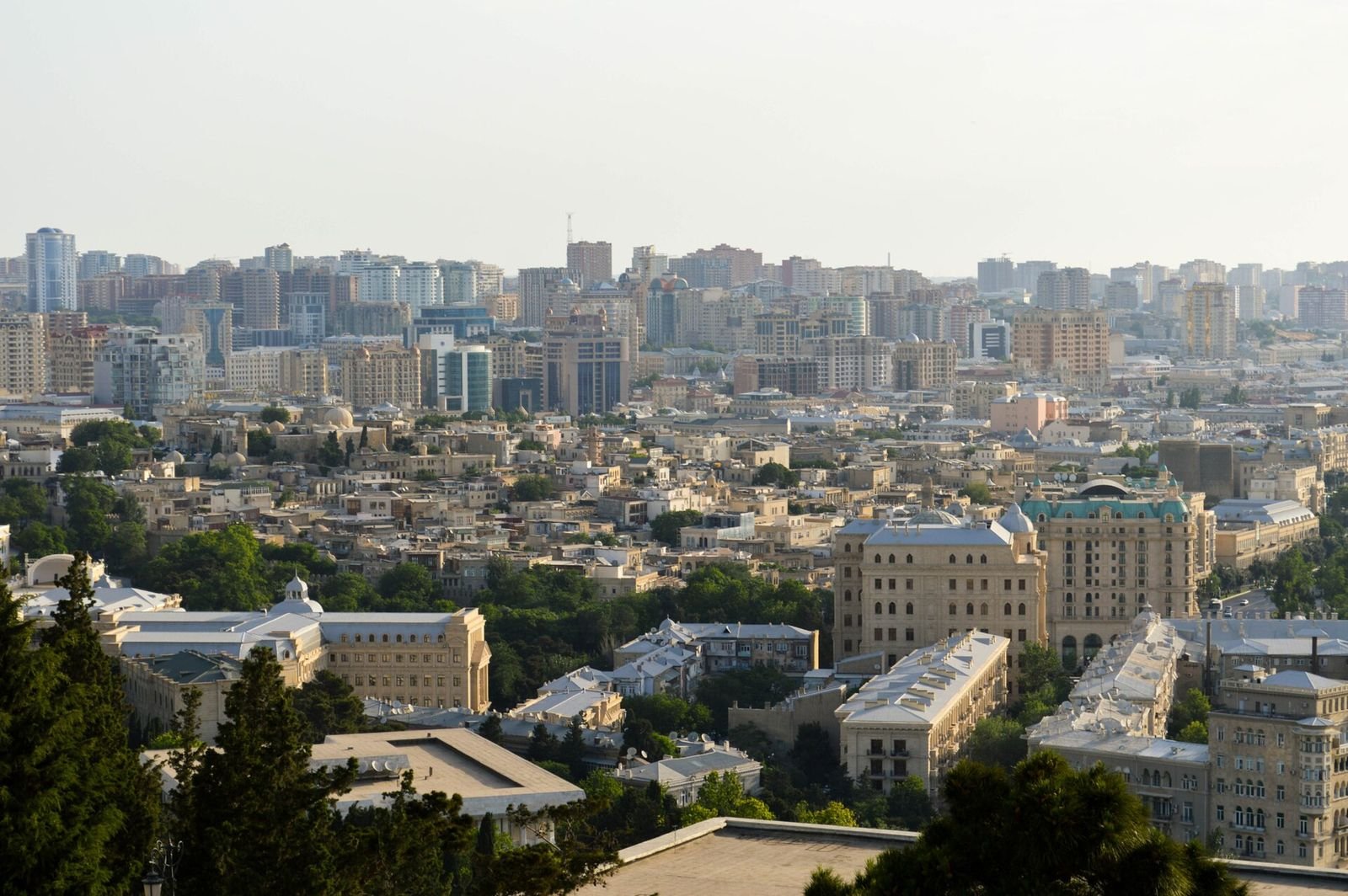
Azerbaijan lies at a historical crossroads of the Great Silk Road — between the Greater Caucasus, the Caspian Sea and the Iranian plateau. For centuries peoples, languages and religions passed through this land, and many of them settled here. So, within a relatively small area, a mosaic of ethnicities and faiths took shape, coexisting for centuries.

This coexistence is a historical reality, reflected in the geography of settlement, the architecture of the cities and the makeup of the communities. Since the 2010s, the state has elevated this diversity to the rank of an official policy — "Azerbaijani multiculturalism" — declaring the equality of citizens and the protection of the cultures of small-numbered peoples.
Where to start

Five facets of one country

Here a mosque, a church and a synagogue have stood a few steps apart for centuries — and this is ordinary city life, not an exception.

A special page

Jews of Azerbaijan

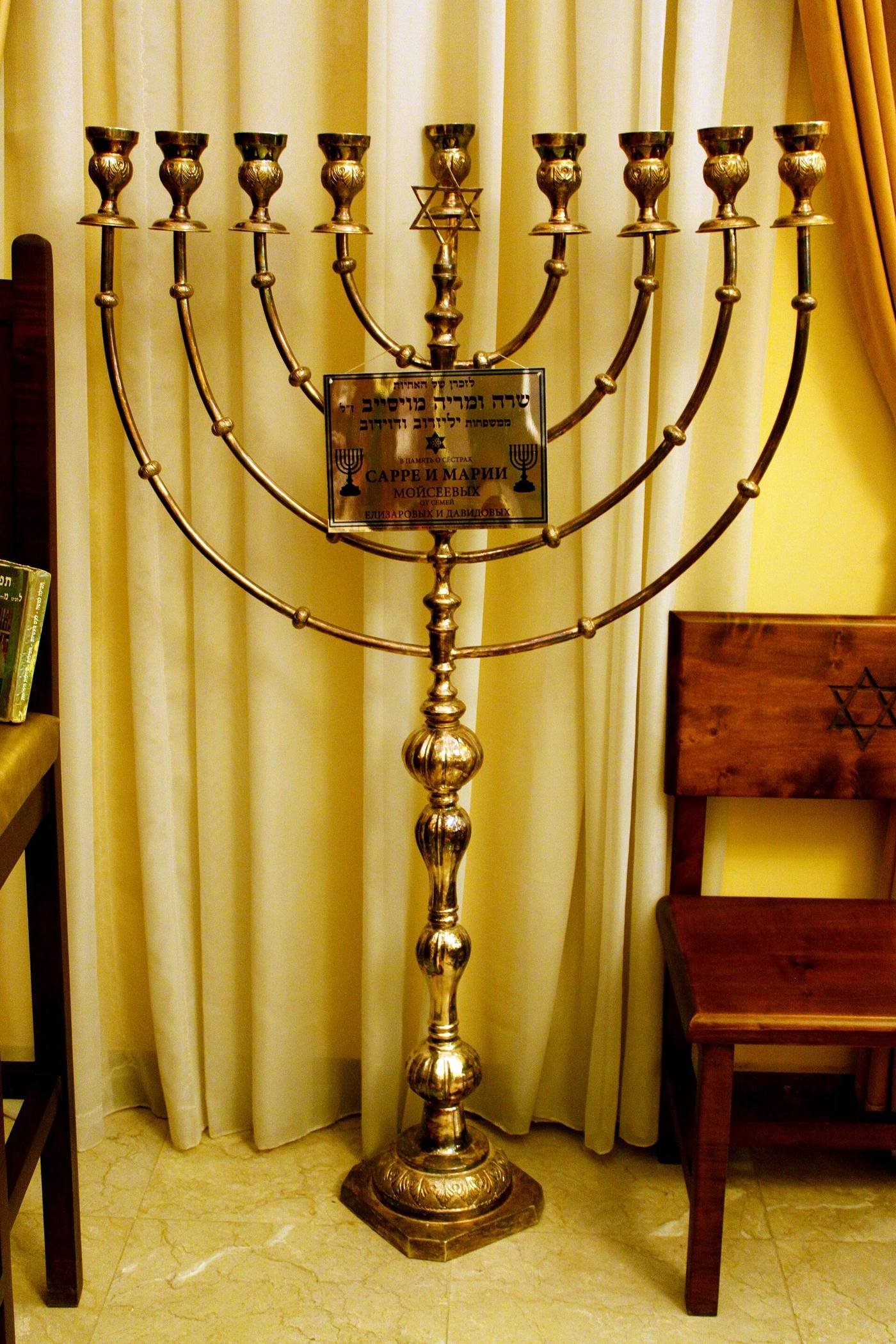
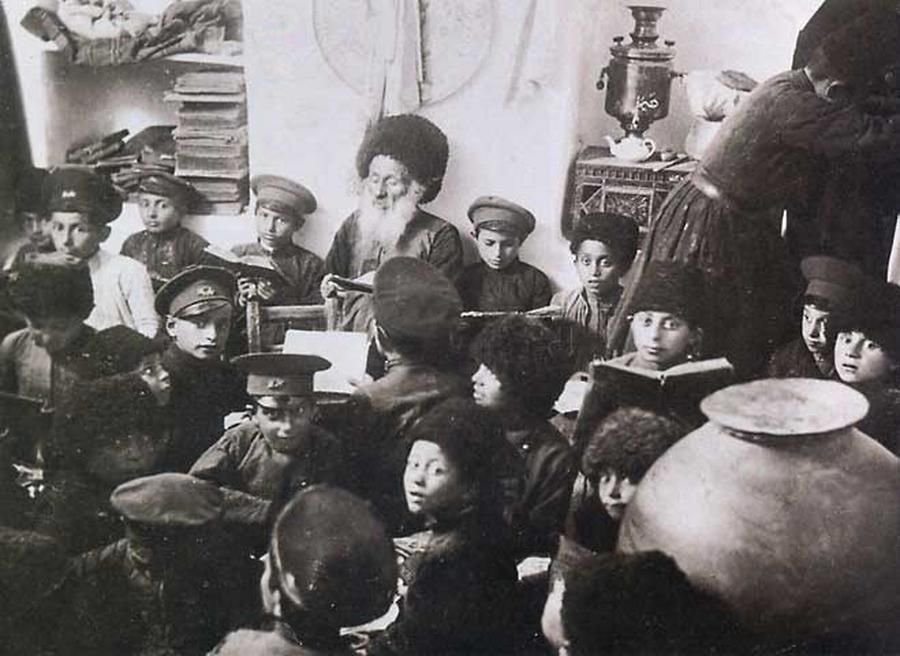
Three communities — Mountain, Ashkenazi and Georgian Jews — and Krasnaya Sloboda near Quba, one of the few compact Jewish settlements in the world. The absence of historical antisemitism is one of the strongest arguments for genuine tolerance.

Open the section
Jews of Azerbaijan

Before you read

The historical and the state-driven

We try to distinguish between the documented historical coexistence of peoples and the official policy of multiculturalism, which since 2014–2016 has also become an element of state branding. We present the former as fact and the latter as a declared programme.