A special project created with the support of the Jewish news portal · We sincerely love Azerbaijan — our Homeland, its people, culture, history and unique diversity.
Multiculturalism
RUAZENHE

Who lives here

Peoples of Azerbaijan

A Turkic-speaking majority and dozens of peoples around it — from the ancient Christian Udi to the Mountain Jews.

Peoples

Majority and diversity

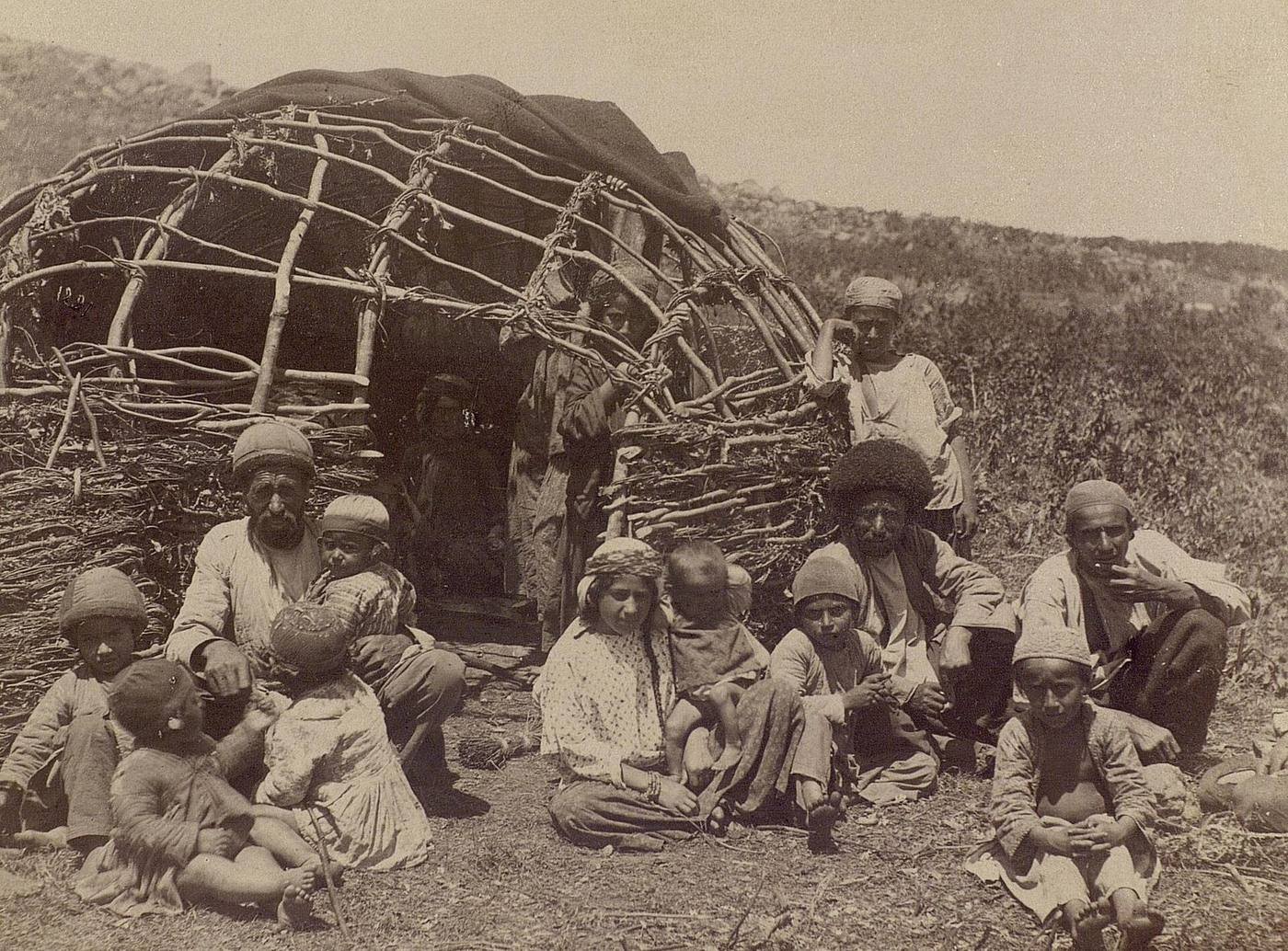
The state-forming people are the Azerbaijanis, a Turkic-speaking people of the Oghuz group, predominantly adhering to Shia Islam. Around this majority, dozens of ethnic groups have historically settled, many of them indigenous small-numbered peoples of the Caucasus who speak Nakh-Daghestanian and other languages.

Their traditional areas are mostly the northern and north-western regions (the foothills of the Greater Caucasus) and the south-east of the country (the Talysh Mountains). The exact numbers of the minorities are a matter of divergence between official statistics and the estimates of the communities themselves.
Lezgins

Peoples

Indigenous and small-numbered peoples

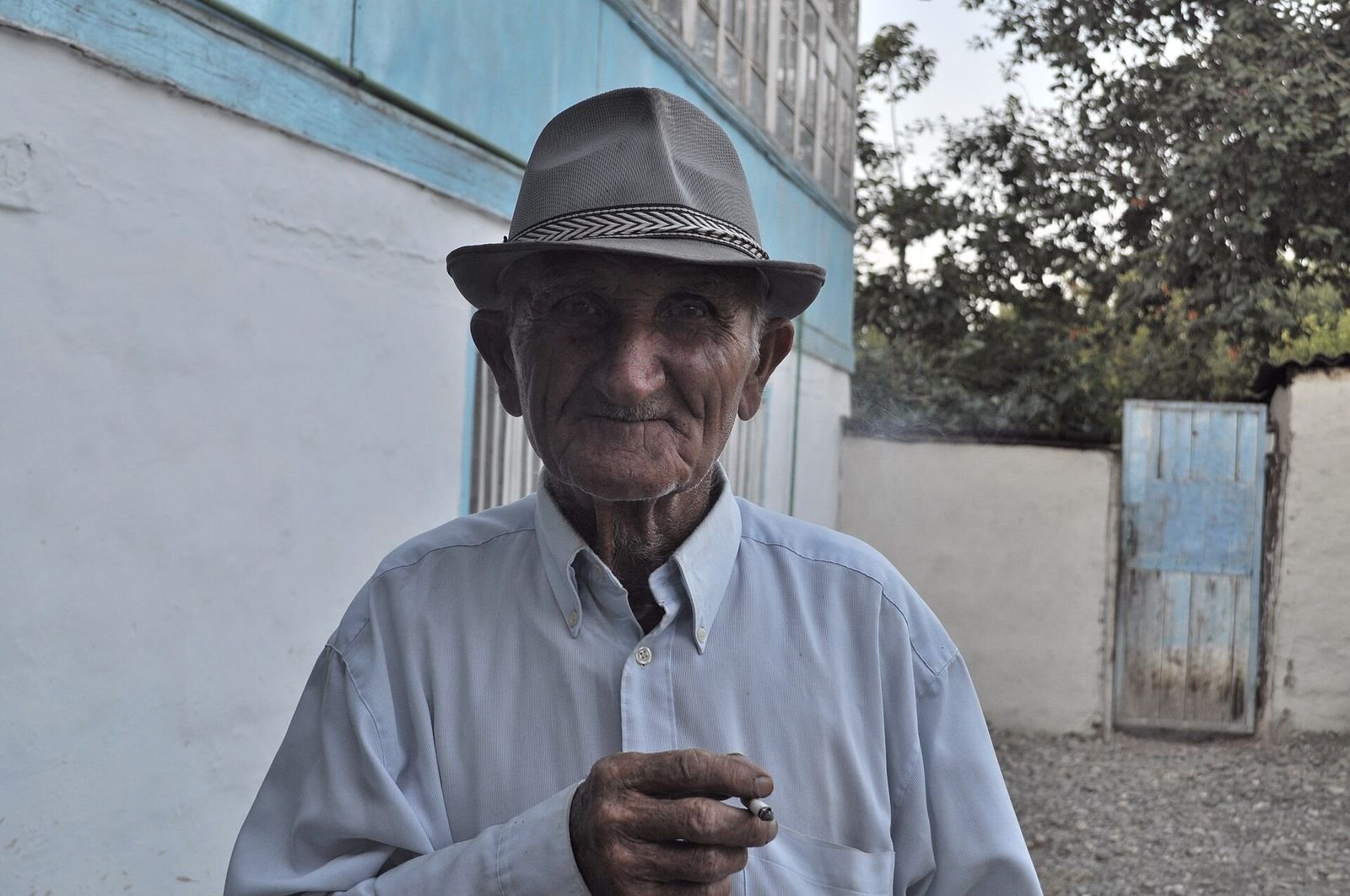
Lezgins
The largest national minority; they live compactly in the north (Qusar, Quba, Khachmaz, the border with Daghestan). Their language is Lezgin (Nakh-Daghestanian family); they are predominantly Sunni Muslims.
Talysh
An Iranian-speaking people of the south-east (Lankaran, Astara, Lerik), by the Caspian and in the Talysh Mountains. The language belongs to the Iranian group; the faithful are predominantly Shia Muslims.
Udi
Christians, direct descendants of the population of Caucasian Albania. They live compactly in the village of Nij (Qabala) and in Oghuz; they preserve the Udi language and the Albanian-Udi Christian tradition.
Avars and Tsakhurs
Daghestanian peoples of the north-west (Zaqatala, Balakan, Qakh), Nakh-Daghestanian family, Sunni Muslims.
Tats and Mountain Jews
The Iranian-speaking, Tat-speaking circle of the Absheron and the north-east. The Mountain Jews (Juhuro) speak Judeo-Tat (Juhuri); their centre is Krasnaya Sloboda near Quba.
Russians and Molokans
A large, mostly urban community (Baku, Sumgait), as well as the Molokans — Russian religious dissenters who have survived in villages (for example, Ivanovka). Russian is widely used as a language of interethnic communication.
And others
Ingiloy (Georgian-speaking), Ukrainians, Georgians, Greeks, Tatars, Meskhetian Turks (Ahiska), Kurds — all of them part of the country's ethnic mosaic.

The numbers of the minorities are given as estimates and differ across sources; they are provided as a rough guide.
Jews

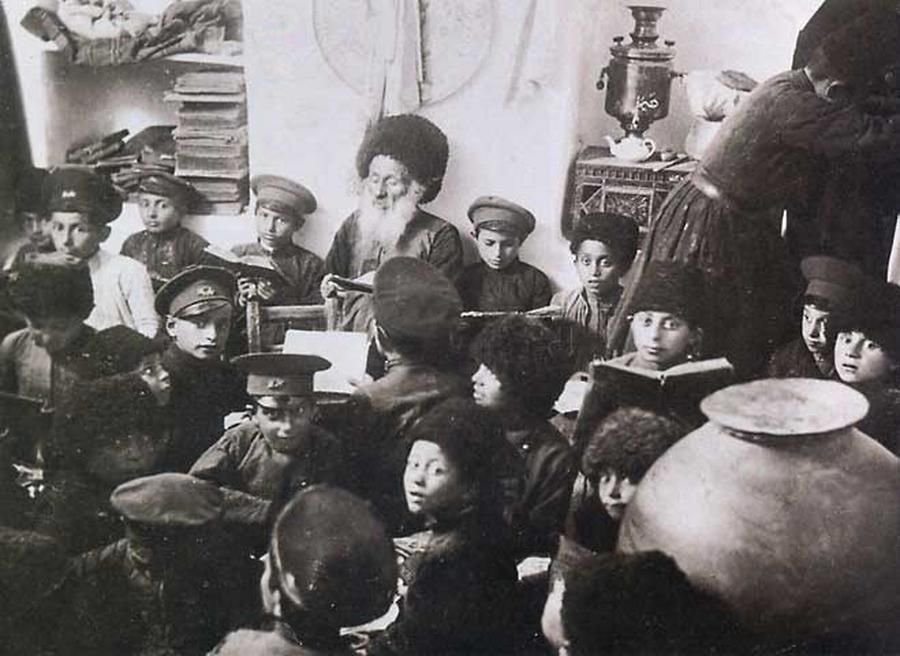
Tats and Mountain Jews

The Iranian-speaking, Tat-speaking circle of the Absheron and the north-east. The Mountain Jews (Juhuro) speak Judeo-Tat (Juhuri); their centre is Krasnaya Sloboda near Quba.

Open the section